
Paperboard is the backbone of packaging across industries—from food and pharmaceuticals to FMCG and e-commerce. Its performance directly affects print quality, product safety, packaging efficiency, and customer satisfaction.
To ensure consistency and reliability,
“Paperboard manufacturers and converters depend on standardized quality tests to assess the strength, appearance, barrier properties, and convertibility of paperboard.”
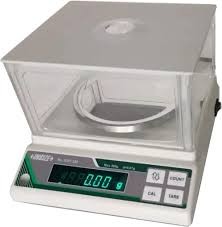
1. GSM (Grammage) Test
GSM measures the weight of the board per square meter.
Why It Matters
-
- Determines board stiffness and thickness
-
- Ensures consistency in carton weight
-
- Affects printing and die-cutting performance
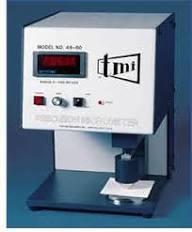
2. Thickness / Caliper Test
Caliper defines the board’s thickness, measured in microns.
Importance
-
- Directly impacts carton strength
-
- Influences folding, creasing, and bulk
-
- Required for box engineering (volume, rigidity)
3. Moisture Content Test
Typically maintained between 6–8%.
Why Important
-
- Too much moisture = warping, curl
-
- Too little moisture = cracking during folding
-
- Affects printing and lamination
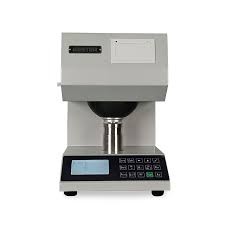
4. Brightness & Whiteness Test
Brightness indicates how much light a board reflects; whiteness measures colour tone.
Why Important
-
- Improves print vibrancy
-
- Ensures brand colour accuracy
-
- Required in premium packaging (SBS, FBB)
5. Stiffness Test (MD/CD)
Measures resistance to bending in machine direction (MD) and cross direction (CD).

-
- Directly affects box strength
-
- Ensures proper carton erection on packaging machines
-
- FBB and LPB rely heavily on stiffness
6. Cobb Test (Water Absorption)
Measures how much water the board absorbs in a given time.

Types
-
- Cobb 60 (most common): water on the surface of paper for 60 sec
-
- Cobb 120 : water on the surface of paper for 120 sec
-
- Cobb Top vs. Cobb Back
Why Important
-
- Determines suitability for food and liquid packaging
-
- Low Cobb = better moisture resistance
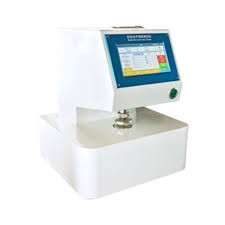
7. Smoothness Test (Bendtsen / PPS)
Smoothness affects print quality and coating uniformity.

Importance
-
- High smoothness = sharper images
-
- Required for offset and digital printing
-
- Helps avoid print defects like mottle or picking
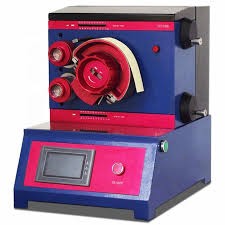
8. Surface Strength (IGT / Wax Pick Test)
Measures how well the surface holds ink without tearing or picking.
Why Important
-
- Crucial for high-speed printing
-
- Prevents coating pick, fiber lift, and dusting
-
- Vital in premium packaging and high-ink-density prints
9. Ply Bond / Internal Bond Strength (Scott Bond)
Checks how strongly the layers of multi-ply board are bonded.

Importance
-
- Prevents delamination during creasing and folding
-
- Essential for FBB, WLC, Duplex boards
-
- Affects overall carton durability
10. Tensile Strength & Tear Strength
These tests measure how much force the board can withstand before breaking.
Why Important
-
- Determines suitability for machine-speed conversions
-
- Required in transport & industrial packaging
-
- Prevents tear-outs in cartons
11. Burst Factor / Burst Strength
Common for Kraft and recycled boards.
Importance
-
- Indicates resistance against internal pressure
-
- Needed for shipping cartons, detergent boxes, etc.
12. Odour, Taint & Migration Tests
Essential for food-grade and pharma boards.
Why Needed
-
- Ensures no transfer of smell or chemicals
-
- Mandatory for regulatory compliance (FSSAI, FDA)
-
- Protects product safety
13. PE/Barrier Coating Tests (Cup-stock & LPB)
Includes:
-
- Pin hole test
-
- Heat seal strength
-
- Water/grease resistance
-
- Kit value (oil resistance)
Why Important
-
- Required for liquid cartons, cups, food trays
-
- Ensures barrier performance under hot & cold conditions
14. Curl & Warp Test
Ensures the board remains flat.
Why Important
-
- Affects print registration
-
- Impacts machine running
-
- Essential for cupstock and coated boards
15. Compression & Crush Tests (for Corrugated Board)
Includes:
-
- ECT (Edge Crush Test)
-
- BCT (Box Compression Test)
-
- RCT (Ring Crush Test)
Why Important
-
- Determines stacking strength
-
- Critical for e-commerce and shipping boxes
Final Thoughts
Quality testing is the foundation of a reliable paperboard product. Whether you manufacture SBS, FBB, Duplex, Kraft, Cup-stock, or Corrugated boards—these tests help ensure:
 Consistent performance Better print quality Superior run-ability on converting machines Compliance with food & pharma safety standards Enhanced customer satisfaction
Quality control is no longer optional—it is a competitive advantage.