
Introduction
In multilayer board machines, press section performance determines sheet dryness, bulk, ply bonding, and overall energy efficiency. One of the most widely adopted press configurations for high GSM and recycled fiber-based boards is the Double Felted Jumbo Press.
The double felted jumbo press provides balanced dewatering from both sides of the sheet, improved sheet support, and better consolidation—making it ideal for duplex and triplex board production.
What Is a Double Felted Jumbo Press?
A Double Felted Jumbo Press is a press configuration where the wet board web is supported by two press felts—one on the top side and one on the bottom side—while passing through a press nip formed by a large-diameter jumbo roll and a counter roll.
“The core concept is “felt–sheet–felt” pressing,
which allows symmetrical water removal and superior sheet stability.”
Importance of Jumbo Press in Multilayer Board Machines
Multilayer board machines typically run:
-
- High GSM grades
-
- High recycled fiber content
-
- High ash and filler levels
Under these conditions, the double felted jumbo press addresses these challenges by providing:
-
- Uniform pressure distribution
-
- Reduced two-sidedness
-
- Higher press dryness
-
- Better ply bonding
Design of Double Felted Jumbo Press:
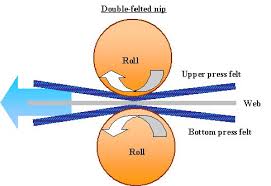
1. Press Roll Arrangement
The press consists of:
-
- One jumbo press roll
-
- One counter press roll
“Both Rolls are with a large diameter and Grooved or Blind drilled.”
Jumbo Roll Diameter:
-
- 1000–1600 mm, depending on machine width and grade
“The large roll diameter reduces peak nip pressure and minimizes sheet crushing.”
2. Felt Configuration
-
- Top felt: removes water from the top side of the board
-
- Bottom felt: removes water from the wire side
Each felt has its own:
-
- Uhle boxes
-
- Suction boxes
-
- Cleaning and lubrication showers
“This independent conditioning ensures consistent felt permeability.”
3. Press Loading System
-
- Hydraulic or pneumatic loading
-
- Uniform line load across the machine width
Typical Line Load Range
-
- 100–200 kN/m, depending on board grade and bulk requirement
4. Water Handling and Save-Alls
-
- Separate save-alls for top and bottom felts
-
- Efficient drainage prevents rewetting of the sheet
Working Principle of Double Felted Jumbo Press:
-
- The wet board sheet enters the press section from the forming section
-
- The sheet is transferred between the top and bottom press felts
-
- Sheet and felts pass together through the jumbo press nip
-
- Mechanical pressure squeezes water out of the sheet
-
- Water is absorbed simultaneously into both felts
-
- Felts carry the water to Uhle boxes and suction systems
-
- The sheet exits the press with increased dryness and improved consolidation
“The dewatering process is purely mechanical,
making it the most energy-efficient stage in the board machine.”
Roll Types Used in Double Felted Jumbo Press
1. Jumbo Press Roll
The jumbo roll is the primary load-bearing roll.
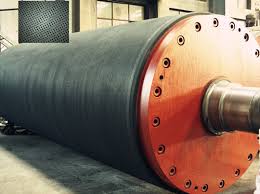 Jumbo Press Roll
Common Cover Types
-
- Rubber-covered roll
-
- Polyurethane-covered roll
Functions
-
- Form a stable, wide press nip
-
- Distribute pressure evenly
-
- Handle high GSM sheets without vibration
2. Counter Press Roll
The counter roll works opposite the jumbo roll to create the nip.
Common Types
-
- Rubber-covered roll
-
- Composite-covered roll
-
- Granite roll (older installations)
3. Blind Drilled Rolls
Mostly Jumbo press roll and Counter roll are having blind Drilled Holes on the surface of rolls to improve water removal.
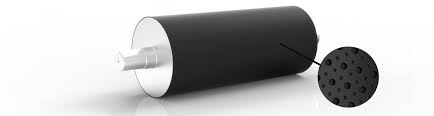 Blind Drilled Rolls
4. Grooved Rolls (Limited Use)
Some designs use lightly grooved rolls to improve water removal, but these can increase the risk of marking in sensitive grades.
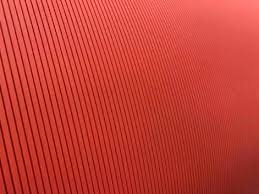 Grooved Rolls
Press Felts Used in Double Felted Jumbo Press
Recommended Felt Types
-
- Double-layer felts
-
- Triple-layer felts (most preferred for board machines)
Key Felt Properties
-
- High void volume
-
- Good compressibility
-
- Resistance to fillers, starch, and stickies
-
- Long service life under high press load
Advantages of Double Felted Jumbo Press
1. Higher Press Dryness
-
- Water removal from both sides of the sheet
-
- Typical outlet dryness: 40–45%
2. Excellent Sheet Support
-
- Reduced sheet breaks
-
- Stable operation at high GSM
3. Improved Ply Bonding
-
- Uniform pressure improves interlayer bonding
-
- Critical for duplex and triplex boards
4. Reduced Two-Sidedness
-
- Symmetrical dewatering leads to more uniform board structure
5. Lower Dryer Steam Consumption
-
- Higher press dryness reduces thermal drying load
Conclusion
The Double Felted Jumbo Press is a proven press design for multilayer board machines handling heavy GSM and recycled fiber furnishes. When properly designed and operated, it delivers higher press dryness, stable runnability, strong ply bonding, and lower energy consumption.
However, achieving these benefits requires correct press loading, suitable felt selection, and effective felt conditioning to avoid bulk loss and excessive operating cost.