
What is a Head box?
The head box is the most critical component of the approach flow and wire part.
Its function is to deliver a uniform, well-mixed, air-free pulp suspension onto the forming wire at a controlled consistency, speed, and angle, creating the foundation of sheet formation.
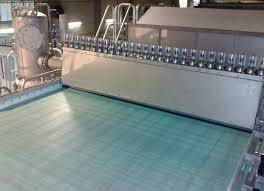
In multi-layer board machines, each layer (Top / Middle / Back) has its own dedicated head box for independent quality control.
Working Principle of a Head box
Step-by-Step Operation:
1. Stock Entry
- Diluted pulp (typically 0.2–0.8% consistency) enters the head box from the approach flow system.
- Flow must be clean, de-aerated, and pressure-stable.
2. Manifold (Header)
- The stock enters a tapered or stepped manifold.
- Purpose: even flow distribution across machine width.
3. Turbulence Generation Zone
- Stock passes through tubes / channels / step diffusers.
- High micro-turbulence:
- Breaks fiber flocs
- Keeps fibers uniformly suspended
- Prevents re-flocculation
4. Slice Section
- Stock exits through a precisely adjustable slice opening.
- Controls:
- Jet thickness
- CD grammage profile
- Fiber orientation
5. Jet Discharge onto Wire
- Stock jet lands on the forming wire at a set:
- Speed (Jet/Wire ratio)
- Angle
- Position
“This creates the initial fiber network and begins water drainage.”
Importance of Head box
The head box directly controls:
- Sheet formation quality
- CD & MD strength properties
- Grammage uniformity
- Layer separation (in multi-ply boards)
- Surface quality & printability
- Run-ability and break frequency
“Head box performance directly controls sheet formation and strength.”
Uses of Head box
- Uniform fiber distribution on wire
- Controlled fiber orientation (MD/CD ratio)
- Precise grammage control
- Stable sheet formation at high speed
- Independent control of layers in board machines
“The Head box defines formation, quality, and consistency of the sheet.”
Types of Head box
- Open Head box (Old Design)
Description
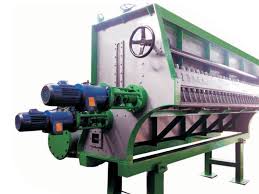
- Operates at atmospheric pressure
- Uses rectifier rolls for flow uniformity
Advantages
- Simple design
- Easy maintenance
Limitations
- Poor formation
- Limited speed
- High flocculation
Application: Low-speed, old paper machines
Air-Cushion Head box
Description
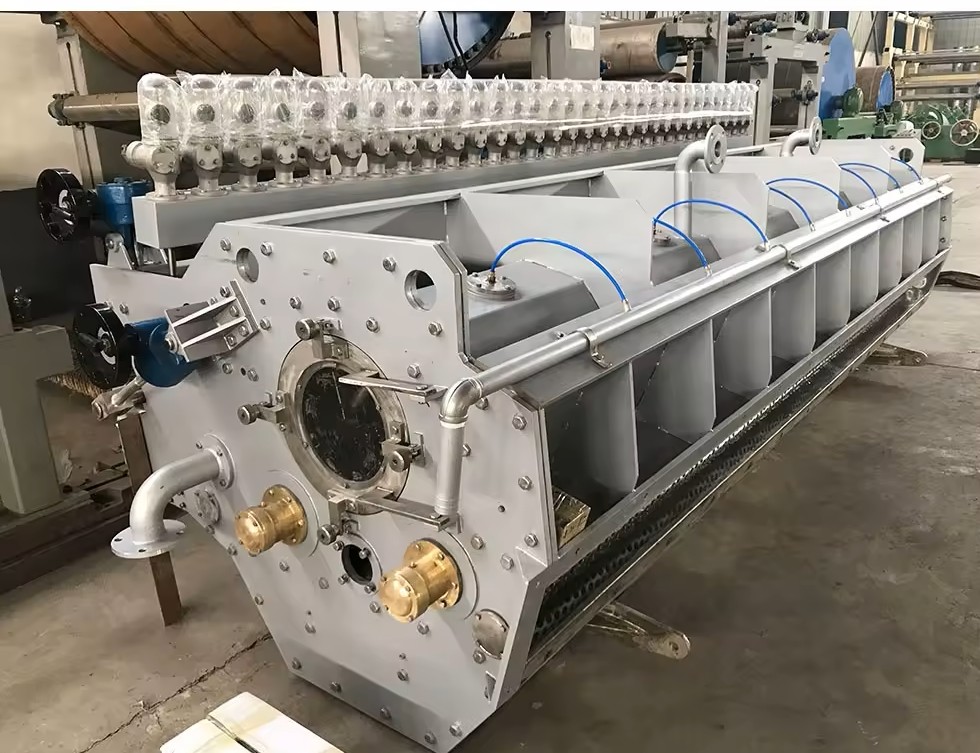
- Uses pressurized air above stock level
- Controls jet velocity by air pressure
Advantages
- Better control than open head box
- Moderate turbulence
Limitations
- Air-related instability
- Limited high-speed performance
Application: Medium-speed paper machines
Hydraulic Headbox (Modern Standard)
Description
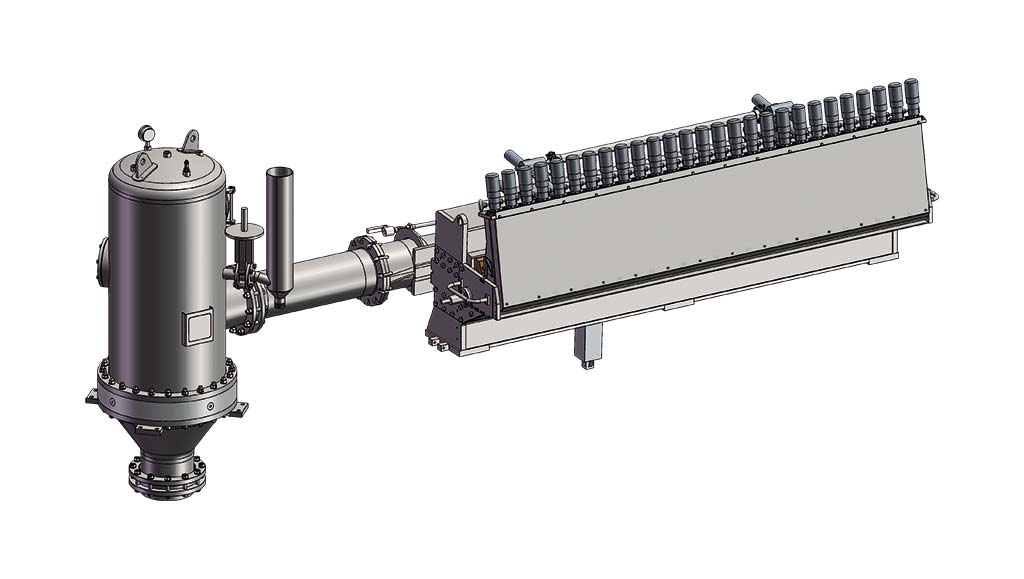
- Fully pressurized system
- No air inside the stock flow
- Uses tube banks or step diffusers
Advantages
- Excellent formation
- High-speed capability
- Stable jet
- Precise CD control
Application: 1. Modern paper & board machines. 2. Multi-layer board machines
Tube Bundle Hydraulic Head box
Description
- Uses hundreds of small tubes to generate turbulence
Advantages
- Very uniform turbulence
- Excellent formation
Limitations
- Cleaning complexity
Application: Fine paper and top-layer board
Multi-Layer Headbox
Description
- Multiple stock layers discharged from one headbox body
- Internal separation of layers
Advantages
- Compact design
- Precise layer thickness control
Limitations
- Complex control
- Higher cost
Application: High-end multi-ply board machines
Key Head box Operating Parameters
| Parameter | Typical Range |
| Consistency | 0.2 – 0.8 % |
| Jet/Wire Ratio | 0.98 – 1.05 |
| Slice Opening | 5 – 15 mm |
| Turbulence Intensity | High, controlled |
| Pressure Stability | ±0.5% variation |
Common Head box-Related Problems (Quick View)
| Problem | Likely Cause |
| Poor formation | Low turbulence / high consistency |
| CD GSM variation | Slice opening imbalance |
| Layer mixing | Incorrect jet landing |
| Fiber orientation issues | Wrong jet/wire ratio |
| Streaks | Plugged tubes / slice damage |
Conclusion
The head box is the heart of sheet formation. In multi-layer board machines,
it enables:
- Independent layer control
- Strong ply bonding
- Superior surface quality
- Stable, high-speed operation
“A stable head box is the foundation of uniform board quality.”