
Introduction
Corrugated board is the backbone of modern packaging and logistics. it offers unmatched strength, cushioning, light weight, and cost efficiency. Corrugated packaging continues to be the most widely used packaging material.
What is Corrugated Board?
Corrugated board is a multi-layer paper-based material
Made by combining:
- One or more fluted (wavy) paper layers
- Flat linerboards on one or both sides
The fluted medium acts as a shock absorber, while the liners provide stacking strength and print surface.
 Corrugated board is designed mainly for protection and transport, not just appearance.
Structure of Corrugated Board
1. Linerboard
- Flat outer layers
- Made from Kraft paper (virgin or recycled fiber)
- Provides strength, rigidity, and printability
2. Fluting (Corrugated Medium)
- Wavy inner layer
- Determines cushioning, compression strength, and thickness
3. Adhesive
- Usually starch-based, eco-friendly glue
- Bonds fluting to liners
Types of Corrugated Board
Based on Wall Construction
| Type | Structure | Common Use |
| Single Face | 1 liner + 1 flute – | Wrapping, cushioning |
| Single Wall | 2 liners + 1 flute – | Standard shipping cartons |
| Double Wall | 3 liners + 2 flutes – | Heavy-duty packaging |
| Triple Wall | 4 liners + 3 flutes – | Export & industrial packaging |
Based on Flute Type
| Flute | Thickness | Properties | Typical Use |
| A Flute | Thick | High cushioning | Fragile items |
| B Flute | Medium | Good stacking | FMCG boxes |
| C Flute | Balanced | Strength + cushioning | Most common |
| E Flute | Thin | Better print | Retail & display |
| F Flute | Very thin | Premium look | Small consumer packs |
Key Properties of Corrugated Board
1. High Strength-to-Weight Ratio: Excellent compression strength with low weight. 2. Shock Absorption: Flutes protect products from vibration and impact 3. Customizable: Can be designed for size, strength, and printing needs 4. Printability: Supports flexo, offset lamination, and digital printing 5. Eco-Friendly: Made from renewable fibres and Fully recyclable and biodegradable 6. Cost-Effective: Cheaper than plastic or wooden packaging
Common Specifications & Parameters
- GSM (Liner + Medium): 120 – 400 GSM
- Bursting Factor (BF): 12 – 40+
- ECT (Edge Crush Test): Depends on box design
- Thickness: Depends on flute type
- Moisture Content: Typically, 8–12%
- Formats: Sheets, slotted cartons, die-cut boxes
Applications of Corrugated Board
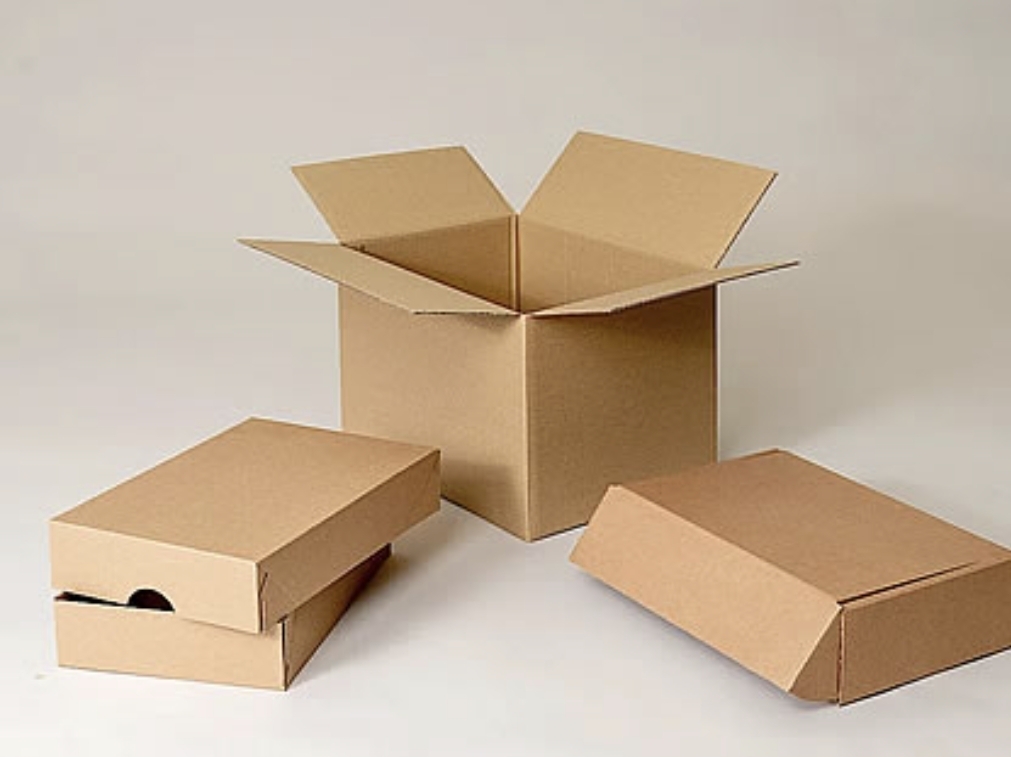
 Packaging & Logistics: 1. Shipping cartons. 2. Export packaging, 3. Warehouse storage boxes
 E-Commerce: 1. Amazon / Flipkart shipping boxes, 2. Returnable packaging, 3. Subscription boxes
 Food & Agriculture: 1. Fruit & vegetable boxes, 2. Processed food cartons, 3. Beverage packaging
 Industrial Uses: 1. Heavy machinery parts, 2. Auto components, 3. Electrical & appliance packaging
 ️ Retail & Display: 1. POS displays, 2. Shelf-ready packaging, 3. Promotional stands.
Conclusion
Corrugated board is one of the most versatile and reliable packaging materials used across industries today. Designed primarily for safe handling, storage, and transportation, corrugated board safeguards products from impact, compression, and vibration while remaining lightweight and easy to handle.