
Introduction
In the drying section of a paper or paperboard machine, dryer fabrics play a critical role in ensuring smooth sheet transfer, efficient heat transfer, and stable machine operation. Although dryer cylinders provide the heat for evaporation, dryer fabrics ensure that the sheet maintains proper contact with the cylinders and moves safely through the drying section.
Modern multilayer board machines rely heavily on high-quality dryer fabrics to achieve uniform drying, high machine speed, and improved board quality.
Poor fabric selection or maintenance can lead to problems such as sheet fluttering, moisture variation, sheet breaks, and reduced drying efficiency.
What are Dryer Fabrics?
Dryer fabrics (also called dryer screens) are specially designed woven belts used in the drying section of a paper or paperboard machine. They support the wet sheet and hold it firmly against the dryer cylinders while allowing moisture and air to pass through.
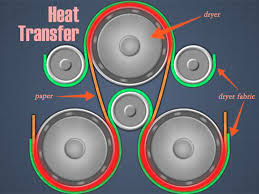
These fabrics are typically made from synthetic materials such as polyester or polyamide, which can withstand high temperatures, mechanical stress, and chemical exposure.
Dryer Fabric is a woven fabric made on a loom in flat form, using:
-
- Warp yarns → Machine direction (MD)
-
- Weft yarns → Cross direction (CD)
After weaving, both ends are joined on the machine using a seam pin, making it suitable for continuous operation in the dryer section.
Uses of Dryer Fabrics in Paperboard Machines
Dryer fabrics perform several important functions in the drying section.
-
- Sheet Support
The primary role of dryer fabrics is to support the sheet as it travels over the dryer cylinders. Without proper support, the sheet may break or flutter due to high machine speed and air turbulence.
-
- Improve Heat Transfer
Dryer fabrics help maintain close contact between the sheet and the hot cylinder surface. This improves heat transfer and increases drying efficiency.
-
- Sheet Stability
Dryer fabrics stabilize the sheet during drying. They prevent:
-
- Sheet fluttering
- Wrinkling
- Sheet breaks
-
- Moisture Removal
Because dryer fabrics are porous, they allow water vapor to escape from the sheet. This helps improve evaporation and overall drying efficiency.
-
- Improve Runnability
High-quality dryer fabrics improve machine runnability by ensuring smooth sheet transfer through the dryer groups.
Design and Construction of Dryer Fabrics
Dryer fabrics are engineered to perform under high temperature, tension, and continuous operation.
-
- Material
Most dryer fabrics are made from synthetic fibers such as:
-
- Polyester (PET)
- Polyamide (PA)
- PPS (for high-temperature applications)
These materials offer:
-
- High heat resistance
- Chemical resistance
- Good dimensional stability
-
- Fabric Structure
Dryer fabrics are produced using specialized weaving techniques.
Common fabric structures include
-
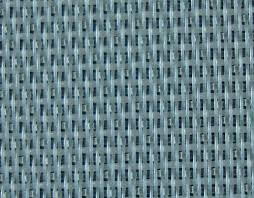
- Single-Layer Fabrics
-
- Simple design
-
- Good air permeability
-
- Used in slower machines
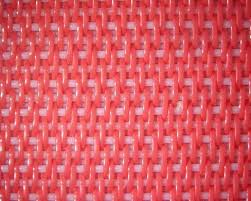
2. Double-Layer Fabrics
-
- Improved strength and stability
-
- Better sheet support
-
- Common in modern board machines
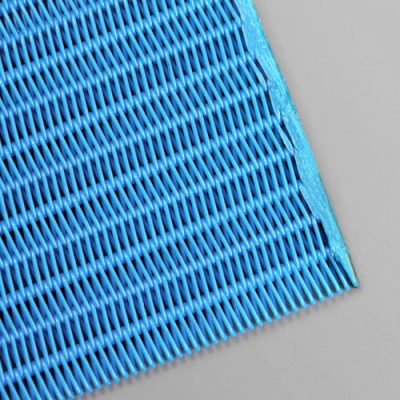
3. Spiral Fabrics
-
- Made by joining spiral loops
-
- Easy installation
-
- Good flexibility
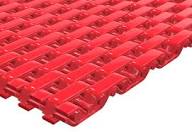
4. Flat Woven Dryer Fabric
-
- Made with Flat warp yarn
-
- Less contaminated due to Flat warp
-
- Easy to clean
5. Needle Fabrics
Used in specific drying applications where better sheet contact is required.
6. Permeability
Permeability determines how easily air passes through the fabric.
Typical permeability values:
300 – 900 CFM
“Higher permeability improves ventilation but may reduce sheet support.”
7. Fabric Seaming
-
- Pin seam
-
- Spiral seam
-
- Clip seam
“A strong seam ensures safe operation at high machine speeds.”
Advantages of Dryer Fabrics
Dryer fabrics provide several important advantages in paperboard machines.
-
- Improved Drying Efficiency
Proper sheet contact with cylinders improves heat transfer and drying speed.
2. Better Sheet Stability
Dryer fabrics prevent sheet fluttering and improve machine runnability.
3. Higher Machine Speed
Good fabric performance allows machines to run at higher speeds without sheet breaks.
4. Improved Board Quality
Uniform drying helps maintain consistent moisture across the sheet, improving board quality.
5. Long Service Life
Modern synthetic fabrics are highly durable and resistant to wear and temperature.
Disadvantages of Dryer Fabrics
Despite their advantages, dryer fabrics also have some limitations.
-
- Fabric Contamination
Dryer fabrics may become contaminated with:
-
- Resin
-
- Pitch
-
- Starch
-
- Coating chemicals
“This reduces permeability and drying efficiency.”
2. Wear and Damage
Continuous operation and friction with cylinders can cause fabric wear over time.
3. Cost
High-quality dryer fabrics can be expensive, especially for large board machines.
4. Air Flow Issues
If permeability is too high or too low, it can affect drying efficiency and sheet stability.
Dryer Fabric Selection Factors
Choosing the correct dryer fabric depends on several factors.
-
- Machine Speed
Higher speeds require fabrics with better strength and stability.
2. Board Grade
Different grades such as FBB, duplex board, or kraft board may require different fabric properties.
3. Dryer Section Design
The configuration of dryer groups influences fabric design and permeability.
4. Temperature Conditions
High-temperature drying sections may require special heat-resistant fibers.
Maintenance of Dryer Fabrics
Proper maintenance helps extend fabric life and maintain drying efficiency.
-
- Regular Cleaning
Dryer fabrics should be cleaned regularly using:
-
- High-pressure showers
-
- Chemical cleaning agent
2. Proper Tension Control
Maintaining proper fabric tension ensures good sheet contact and prevents fabric damage.
3. Monitoring Permeability
Regular checks help detect fabric contamination or clogging.
4. Inspection for Damage
Operators should regularly inspect fabrics for:
-
- Wear
-
- Broken filaments
-
- Seam damage
Major Dryer Fabric Suppliers in India
Several global and local companies supply dryer fabrics to paper and board mills in India.
-
- Valmet : A leading global supplier of paper machine clothing including dryer fabrics, forming fabrics, and press felts.
- ANDRITZ: Provides advanced paper machine clothing and drying solutions for high-speed machines.
- Voith: Offers high-performance dryer fabrics and complete paper machine clothing solutions.
- Albany International: One of the largest manufacturers of paper machine clothing worldwide.
- Heimbach Group: German company specializing in high-performance dryer fabrics and press felts.
- Asten Johnson: A global supplier known for advanced fabric technologies used in high-speed paper machines.
- Swil (Shalimar Wires Industries Ltd): Shalimar Wires Industries Limited is a key manufacturer for India’s paper and paperboard packaging sector, which is one of the fastest-growing industries in the country.
- Wires & Fabric: Wires & Fabrics is the leading manufacturer and supplier of paper machine clothing in India.
Future Trends in Dryer Fabrics
Modern paper mills are adopting advanced dryer fabric technologies to improve performance.
Some emerging trends include:
-
- High-temperature resistant fibers
-
- Improved permeability control
-
- Longer fabric life
-
- Energy-efficient drying solutions
“These innovations help improve machine efficiency and reduce energy consumption.”
Conclusion
Dryer fabrics are a crucial component of the drying section in paperboard machines. They ensure stable sheet movement, improve heat transfer, and support efficient moisture removal.
Proper selection, operation, and maintenance of dryer fabrics can significantly improve machine performance, board quality, and drying efficiency. As paper machines continue to operate at higher speeds and production capacities, advanced dryer fabric technologies will play an increasingly important role in modern pulp and paper manufacturing.