
Pulper Working, Applications & Selection Guide
Introduction
 In the paper and paperboard manufacturing process, pulpers play a critical role in fiber preparation. A pulper is used to disintegrate virgin pulp, waste paper, or broke into individual fibers using water and mechanical energy. Understanding the different types of pulper in the paper industry: helps to improve pulp quality, energy efficiency, and contaminant removal, especially in board grades like Duplex, FBB, SBS, and Corrugated Board.
What is a Pulper?
- A pulper is a machine used in stock preparation to convert paper, board, or pulp sheets into a uniform slurry. The pulping action is achieved by hydraulic turbulence, rotor agitation, or gentle tumbling, depending on the pulper type.
Main Types of Pulper in Paper Industry
- Hydra pulper (Conventional Pulper): The hydra pulper is the most widely used pulper in paper mills. It uses a rotor to create strong turbulence that separates fibers efficiently.
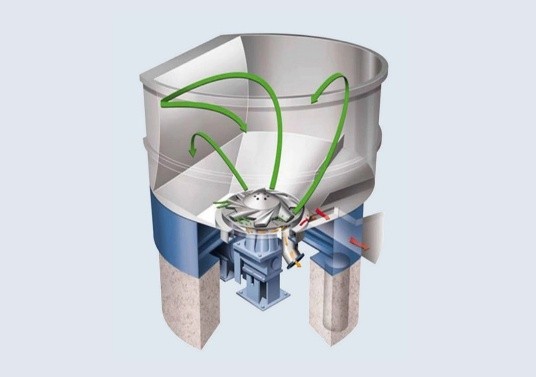 Hydra pulper
Advantages: (a) Fast fiberization, (b) Suitable for virgin pulp, waste paper, and broke, (c) Available in batch and continuous designs
Applications: 1. Duplex board, 2. Folding Box Board (FBB), 3. Solid Bleached Board (SBS), 4. Corrugated board (OCC)
- Drum Pulper: A drum pulper is a large rotating cylinder where pulping occurs through gentle tumbling instead of high mechanical force.
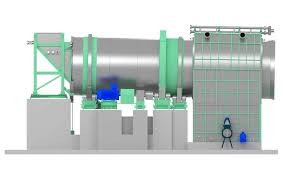 Drum pulper
Advantages: (a) Minimal fiber damage, (b) Excellent removal of plastics, staples, and heavy contaminants, (c) Lower energy consumption per ton.
Applications: 1. OCC pulping lines, 2. Deinking plants, 3. High-quality recycled paperboard production
3. High Consistency (Batch Type) Pulper: High consistency pulpers operate at 12–18% consistency, allowing efficient fiber separation with reduced contaminant. Batch type pulper operate on a fill-pulp-discharge cycle.
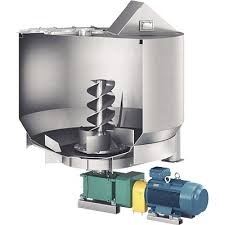 High Consistency Pulper
Advantages: (a) Better ink detachment, (b) Less stickies breakup, (c) Improved pulp cleanliness, (d) Flexible operation, (e) Easy grade change, (f) Lower initial investment.
Applications: 1. Deinking systems, 2. Printing & writing grades, 3. Tissue stock preparation, 4. Small paper mills, 5. Specialty paper production,
- Low Consistency (Continuous) Pulper: Low consistency pulpers operate at 3–5% consistency and rely on hydraulic energy for rapid pulping. Continuous pulpers allow uninterrupted feeding and discharge of pulp.
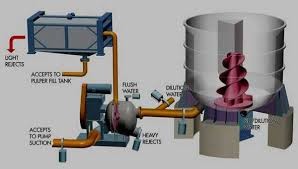 Low Consistency Pulper
Advantages: (a) Quick pulping, (b) Simple operation, (c) Ideal for broke handling, (d) High productivity, (e) Consistent pulp quality, (f) Reduced downtime
Applications: 1. Paper machine broke, 2. Mixed waste paper, 3. Coated board broke, 4. Large paper and paperboard machines, 5. Integrated stock preparation systems.
- Vertical Pulper: Vertical pulpers have an upright cylindrical design and are commonly installed under the paper machine.
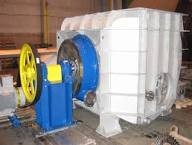 Vertical Pulper
Advantages: (a) Compact footprint, (b) Easy maintenance, (c) Efficient broke handling
Applications: 1. Wet and dry broke pulping, 2. Coated paper and board machines
- Horizontal Pulper: Horizontal pulpers are installed in large continuous stock preparation lines.
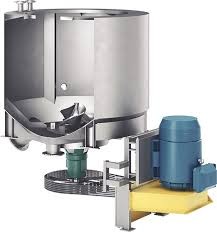 Horizontal Pulper
Advantages: (a) High capacity, (b) Stable continuous operation, (c) Suitable for automation.
Applications: 1. Large recycled fiber plants, 2. Board and packaging paper mills.
9. Broke Pulper: Broke pulpers are specially designed to handle paper machine, coater broke and finishing house broke,
Applications: (a) Paper machine trim and rejects, (b) Rewinder and Sheeter Trim, (c) Finishing House Broke.
10. Twin-Rotor Pulper: Twin-rotor pulpers use two rotors for enhanced mixing and uniform pulping.
Advantages: (a) Improved pulping efficiency, (b) Lower energy consumption, (c) Uniform fiber quality
Applications: 1. High-capacity OCC lines, 2. Recycled paperboard grades,
———————————
Comparison Table: Types of Pulper
| Pulper Type | Consistency | Best Use |
| Hydrapulper | 3–18% | General pulping |
| Drum Pulper | 12–15% | OCC & deinking |
| High Consistency | 12–18% | Ink removal |
| Low Consistency | 3–5% | Broke handling |
| Vertical Pulper | 4–6% | Machine broke |
| Horizontal Pulper | 5–15% | Continuous systems |